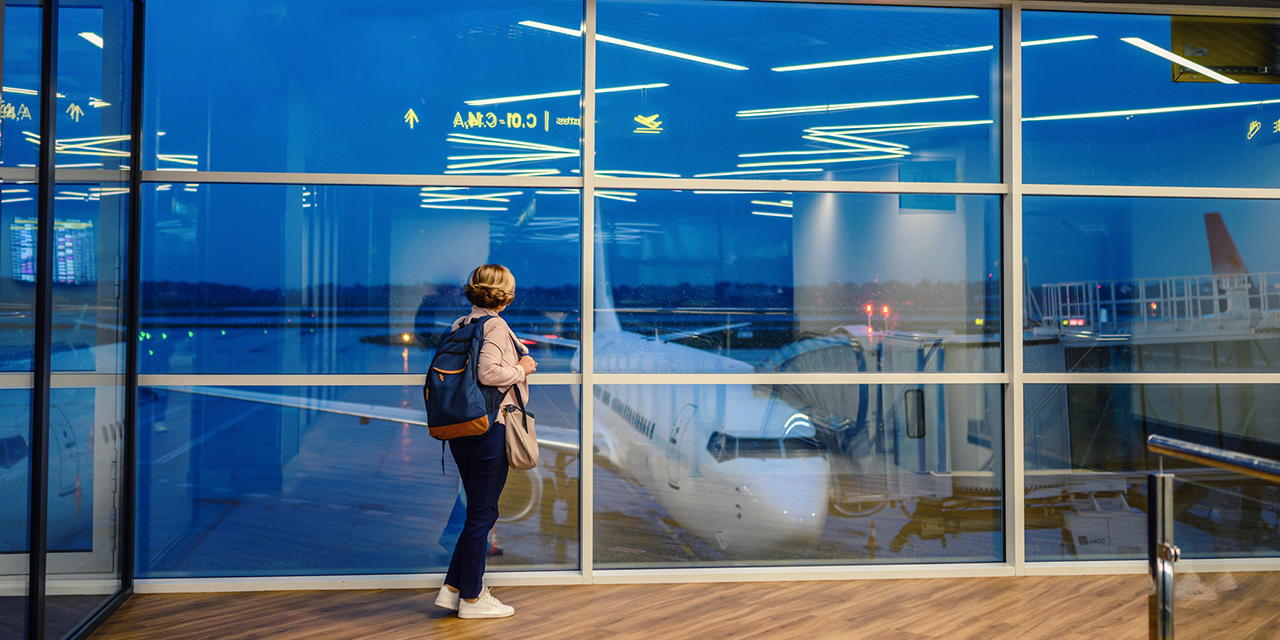
Every day, nearly 3 million people fly on an airplane in the United States, according to the FAA. Work, vacation, and visiting family are some of the most common reasons for air travel.
Once you’ve hit cruising altitude, some turbulence might feel like the worst part of the trip, but if you have a long flight ahead (four hours or more), there’s another, lesser-known issue to worry about as well. Sitting for too long affects your blood flow, and the longer you sit, the greater your risk of developing a blood clot.
Be in the Know Before You Go
Blood clots can affect virtually every part of the body and may lead to life-threatening conditions such as strokes, heart attacks, pulmonary embolisms, abdominal aortic aneurysms, organ damage or failure, and even limb loss. Blood clots form deep within the veins of our legs, causing pain and swelling, and can be life-threatening.
Essentially, staying seated during a lengthy flight interrupts the blood circulation to your heart. Not only that, but being at such a high altitude causes dehydration, which in turn thickens our blood and increases the risk of clotting.
When the Seat Belt Sign is Off, It’s Time to Move!
If you have pre-existing health conditions such as cancer, obesity, varicose veins, a history of blood clots, diabetes, high blood pressure or cholesterol, or smoke, your risk of developing a clot increases.
“Prolonged travel-whether by air, road, or rail- can significantly increase the risk of deep vein thrombosis (DVT) and other blood clots due to extended periods of immobility, dehydration, and reduced circulation. Vascular screenings are a vital tool in identifying risk factors early, empowering individuals to take preventive action before a potentially life-threatening condition develops.”
Roger Walcott, MD, FACS – Vascular & Endovascular Surgeon, Trinity Vascular & Endovascular Center
There are simple steps you can take to prevent a clot from developing while in the air. When the flight crew turns off the seat belt sign and announces you are safe to move about the cabin, take that as your cue to stand up and stretch your legs.
If you are unable to leave your seat for any reason, these alternative suggestions will help increase your circulation:
- Extend your legs in front of you and flex your ankles
- Bring a tennis ball to gently massage the top of your legs or roll under your thighs and promote circulation
- Wear compression stockings
Book Time for a Vascular Screening
To promote vascular health while traveling, Dr. Walcott emphasizes the following key points to help minimize risks:
- Sitting for long periods slows blood flow, particularly in the legs, raising the risk of clot formation.
- Long-haul flights are a well-known trigger, but extended car and train journeys carry similar risks.
- Individuals with existing vascular conditions, a history of clots, or other risk factors are especially vulnerable.
- Vascular screenings can detect narrowed vessels, poor circulation, and clot indicators before symptoms arise.
- Early detection through screening allows for timely intervention — potentially preventing DVT, pulmonary embolism, or stroke.
Want to be proactive about your health ahead of your next trip? Talk to your doctor about vascular screenings. It’s a simple step that can make a big difference.
Vascular screenings are non-invasive, safe, and typically completed within 30 minutes. Most are covered by insurance. Early detection through vascular screening enables timely intervention, significantly improving outcomes and potentially saving lives.
The award-winning team at Trinity Vascular & Endovascular Center stands as regional leaders in vascular care. Our surgeons deliver both surgical and non-invasive treatments at the largest, state-of-the-art aortic and vascular surgical center in the region, which has been recognized by U.S. News & World Report as one of the nation’s top hospitals for vascular care.
 Schedule a Visit with Dr. Walcott
Dr. Roger Walcott is a board-certified doctor specializing in vascular and endovascular surgery. Dr. Walcott sees patients at Trinity Medical locations in Amherst and Cheektowaga. To schedule a vascular screening, call (716) 837-2400 today.